





Tap Shoe FAQ's
What type of tap shoes are best for beginners?
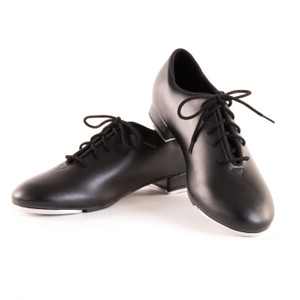
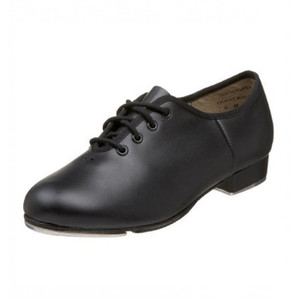
For beginners, a straightforward tap shoe with a secure fit and comfortable sole is usually a practical starting point. The right choice can also depend on the dancer’s age, class requirements and teacher guidance, so it is worth checking whether your dance school recommends a particular style.
What is the difference between low-heel and Cuban-heel tap shoes?
Low-heel tap shoes have a flatter profile and are commonly used across general tap classes and training. Cuban-heel styles have a more raised heel and a different look and feel underfoot. The best option depends on the dancer, the style of class and any specific teacher or school requirements.
What is the difference between full-sole and split-sole tap shoes?
Full-sole tap shoes have a continuous sole, while split-sole styles have separate sections under the front and heel of the foot. This changes the flexibility and feel of the shoe. Dancers should choose the style that best matches their experience, training and teacher guidance.
How should tap shoes fit?
Tap shoes should feel secure without being uncomfortably tight. The foot should not slide excessively inside the shoe, and there should be enough room for comfortable movement. Fit can vary between brands and styles, so it is important to use the relevant size guidance and check any advice from your dance teacher where needed.
Do I need a particular type of tap shoe for dance exams?
Possibly. Exam requirements can vary by dance school, teacher, syllabus and level, so it is best to confirm what is required before buying. If you are purchasing tap shoes for an exam, check the recommended style, heel height and colour with your teacher or school first.